Sliding Puzzle: Full Information, History, Benefits, Types, and How to Play
A Sliding Puzzle is one of the most popular and timeless puzzle games in the world. Known for its simple design but challenging gameplay, the sliding puzzle has entertained people of all ages for decades. From classic number puzzles to modern digital image puzzles, sliding puzzles are widely used for entertainment, education, and brain training.
This article provides complete information about sliding puzzles, including their meaning, history, rules, types, benefits, strategies,
What Is a Sliding Puzzle?
A sliding puzzle is a logic-based game that consists of a grid of tiles with one empty space. The player moves tiles by sliding them into the empty space with the goal of arranging them in a specific order. The arrangement could be numbers, letters, or parts of an image.
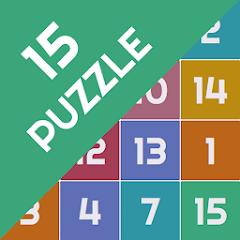
The most common example is the 15-puzzle, which uses a 4×4 grid with 15 numbered tiles and one empty slot. The objective is to arrange the tiles in numerical order using the fewest moves possible.
Sliding puzzles are popular because they are easy to understand but difficult to master, making them engaging for beginners and experts alike.
History of Sliding Puzzle Games
The history of the sliding puzzle dates back to the late 19th century. One of the earliest known versions was invented in the 1870s and gained massive popularity in the United States.
The 15-puzzle became a cultural phenomenon, with people competing to solve it quickly. Over time, sliding puzzles evolved from physical wooden boards to digital versions available on computers, mobile phones, and gaming websites.
Today, sliding puzzle games are widely used in:
- Mobile apps
- Online gaming platforms
- Educational tools
- Brain-training programs
How a Sliding Puzzle Works
The core mechanic of a sliding puzzle is simple:
- A grid contains tiles arranged randomly.
- One space in the grid is empty.
- Tiles can move only by sliding into the empty space.
- The goal is to arrange the tiles into a correct sequence or image.
Despite the simple rules, solving a sliding puzzle often requires planning, logic, and patience.
Popular Types of Sliding Puzzle Games
Number Sliding Puzzle
This is the most classic type, where tiles are numbered. The objective is to arrange numbers in ascending order. The 8-puzzle and 15-puzzle are the most common examples.
Image Sliding Puzzle
In this version, an image is divided into tiles. The player must rearrange the pieces to restore the original picture. These are very popular on mobile apps and kids’ learning platforms.
Letter Sliding Puzzle
Instead of numbers, tiles contain letters. The goal may be to form words, names, or alphabetical sequences.
Educational Sliding Puzzle
These puzzles are designed for learning purposes. They may include alphabets, maps, animals, or mathematical concepts, making them ideal for children.
Digital Sliding Puzzle Games
Modern sliding puzzles include features such as timers, move counters, difficulty levels, hints, and achievements, making them more engaging.
Benefits of Playing Sliding Puzzle Games
Improves Problem-Solving Skills
A sliding puzzle encourages logical thinking and planning. Players must analyze the board and predict outcomes before making moves.
Boosts Memory and Focus
Remembering tile positions and patterns helps improve memory and concentration over time.
Enhances Spatial Awareness
Sliding puzzles train the brain to understand spatial relationships, which is useful in everyday problem-solving.
Reduces Stress
Many people find sliding puzzles relaxing. The repetitive sliding action and clear goals can reduce mental stress.
Suitable for All Ages
From children to seniors, sliding puzzle games are accessible and beneficial for everyone.
Why Sliding Puzzle Games Are Popular Online
Sliding puzzle games have become extremely popular on websites and mobile apps for several reasons:
- Easy to play without instructions
- Suitable for short or long play sessions
- Low system requirements
- High user engagement
- Ideal for casual gamers
For content creators, sliding puzzle topics work well because they attract users interested in games, brain training, and educational activities.
Sliding Puzzle and Optimization
Sliding puzzle content is AdSense-friendly because it falls under safe and evergreen categories such as:
- Games
- Education
- Brain training
- Logic puzzles
Why Sliding Puzzle Content Performs Well with AdSense
- High user dwell time
- Repeat visitors
- Broad audience
- Non-controversial topic
- Easy integration of display ads
To optimize sliding puzzle content for AdSense:
- Use clear headings and subheadings
- Write in simple, user-friendly language
- Add internal links to related games or quizzes
- Avoid misleading or aggressive language
- Focus on informational value
Strategies to Solve a Sliding Puzzle Faster
Start with One Section
Focus on completing one row or column at a time instead of moving tiles randomly.
Plan Moves Ahead
Every move affects the board. Think two or three steps ahead before sliding a tile.
Avoid Breaking Completed Sections
Once a row or image section is solved, try not to disturb it.
Practice Regularly
Like any logic game, improvement comes with practice. Familiarity with patterns helps solve puzzles faster.
Sliding Puzzle in Education
Sliding puzzles are widely used in education because they make learning interactive and fun. Teachers and parents use sliding puzzles to teach:
- Numbers and counting
- Alphabets
- Geography maps
- Shapes and colors
- Problem-solving skills
Educational sliding puzzle games are especially effective for young learners as they combine play with learning.
Sliding Puzzle on Mobile and Web Platforms
With the rise of smartphones, sliding puzzle games have become more accessible than ever. Most modern sliding puzzle apps include:
- Touch-based controls
- Multiple difficulty levels
- Daily challenges
- Offline play support
Web-based sliding puzzle games are also popular because they require no downloads and work directly in the browser.
Difference Between Sliding Puzzle and Other Puzzle Games
Unlike jigsaw puzzles, where pieces are removed and placed freely, sliding puzzles restrict movement to one empty space. This limitation makes sliding puzzles more challenging and strategic.
Compared to word puzzles or trivia games, sliding puzzles rely more on logic and spatial reasoning rather than knowledge.
Why Sliding Puzzle Games Are Timeless
Sliding puzzles have remained popular for generations because:
- The rules never change
- Difficulty can be easily adjusted
- They challenge the brain without causing frustration
- They work equally well in physical and digital formats
Even with modern gaming trends, sliding puzzles continue to attract users looking for simple but meaningful gameplay.
Future of Sliding Puzzle Games
As technology evolves, sliding puzzle games are becoming more advanced. Features like AI hints, adaptive difficulty, and personalized challenges are being added to improve user experience.
Augmented reality and interactive learning platforms may also use sliding puzzle mechanics to make education more engaging.
Conclusion
A Sliding Puzzle is more than just a game. It is a powerful brain-training tool, a source of entertainment, and an educational resource. With a rich history, multiple variations, and proven cognitive benefits, sliding puzzle games continue to be relevant in today’s digital world.