Snake Ladder: The Classic Board Game of Luck, Learning, and Entertainment
Snake Ladder is one of the most popular board games enjoyed by people of all ages around the world. Known for its simple rules and exciting gameplay, Snake Ladder has remained a favorite family game for generations. Whether played on a traditional board or through digital platforms, the game continues to entertain children and adults alike.
The charm of Snake Ladder lies in its combination of luck, suspense, and fun. Every roll of the dice can bring a player closer to victory or send them sliding backward through a snake. This unpredictability makes the game exciting from start to finish.
In this comprehensive guide, we will explore the history, rules, benefits, strategies, variations, and cultural significance of Snake Ladder. If you are curious about why this timeless game remains relevant today, this article covers everything you need to know.
What Is Snake Ladder?
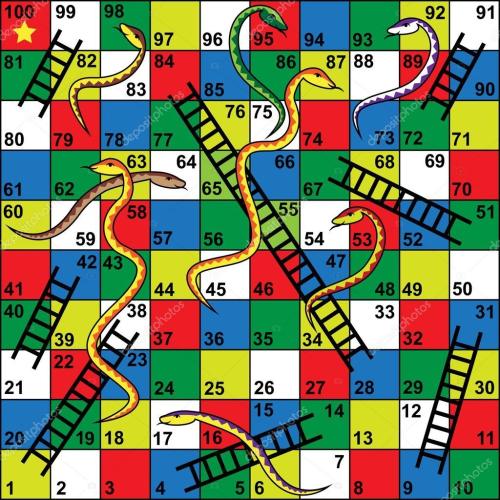
Snake Ladder is a board game played on a numbered grid, usually consisting of 100 squares. Players move their tokens according to the number rolled on a dice. The objective is simple: reach the final square before the other players.
The board contains ladders and snakes placed at different positions. Landing on the bottom of a ladder allows a player to climb to a higher square, while landing on the head of a snake causes the player to slide down to a lower square.
Because of these sudden changes, Snake Ladder creates a thrilling experience where fortunes can change in a single move.
History of Snake Ladder
The origins of Snake Ladder can be traced back to ancient India. The game was originally known as Moksha Patam. It was designed not only for entertainment but also as a tool for teaching moral lessons.
In the traditional version, ladders represented virtues such as honesty, kindness, and generosity. Snakes symbolized negative traits like greed, anger, and dishonesty. The game aimed to teach players that good actions lead to rewards while bad actions lead to setbacks.
Over time, Snake Ladder spread to different countries through traders and travelers. The British introduced the game to Europe during the colonial era, and it eventually became popular worldwide.
Today, Snake Ladder is recognized as one of the most iconic board games ever created.
How to Play Snake Ladder
Learning Snake Ladder is easy, making it ideal for young children and beginners.
Basic Setup
The game requires:
-
A Snake Ladder board
-
One dice
-
Tokens for each player
Players place their tokens on the starting square and take turns rolling the dice.
Rules of Movement
After rolling the dice, a player moves forward according to the number shown.
For example:
-
Roll 2 and move two squares.
-
Roll 5 and move five squares.
If a player lands at the base of a ladder, they immediately climb to the top.
If a player lands on the head of a snake, they slide down to the tail.
The first player to reach the final square wins the game.
Importance of Snakes and Ladders
The snakes and ladders create the excitement that makes Snake Ladder unique.
Ladders
Ladders help players progress faster.
Benefits include:
-
Reaching higher squares quickly
-
Saving multiple turns
-
Increasing chances of victory
Snakes
Snakes create obstacles and challenges.
Effects include:
-
Losing progress
-
Delaying victory
-
Increasing suspense
The balance between rewards and setbacks makes Snake Ladder engaging and unpredictable.
Educational Benefits of Snake Ladder
Although Snake Ladder is primarily known as a recreational activity, it offers several educational advantages.
Number Recognition
Young children learn to identify and understand numbers while moving across the board.
Counting Skills
Players count squares during every move, improving basic arithmetic skills.
Patience and Turn-Taking
The game teaches children to wait for their turn and respect others' opportunities to play.
Problem-Solving
While luck plays a major role, players also learn to understand outcomes and consequences.
Emotional Development
Snake Ladder helps children handle both success and disappointment.
Winning teaches confidence, while setbacks encourage resilience.
Why Snake Ladder Remains Popular
Many games come and go, but Snake Ladder continues to attract players worldwide.
Easy Rules
The simple gameplay makes it accessible to everyone.
Family-Friendly Entertainment
People of different ages can play together without needing advanced skills.
Quick Gameplay
Most games can be completed within a short period.
Affordable
A Snake Ladder board is inexpensive and widely available.
Digital Availability
Modern versions are available on smartphones, tablets, and computers.
Online Snake Ladder Games
Technology has transformed how people play Snake Ladder.
Today, many online platforms offer digital versions featuring:
-
Multiplayer modes
-
Interactive graphics
-
Animated snakes and ladders
-
Global competition
-
Mobile compatibility
Online Snake Ladder games allow players to enjoy the classic experience anytime and anywhere.
Snake Ladder for Children
Snake Ladder is especially popular among children because it combines learning and fun.
Learning Through Play
Children develop:
-
Counting skills
-
Number sequencing
-
Social interaction
-
Focus and concentration
Building Confidence
Every successful climb up a ladder provides a sense of achievement.
Developing Sportsmanship
The game teaches children to win and lose gracefully.
Snake Ladder in Schools
Many schools use Snake Ladder as an educational tool.
Teachers often modify the game to reinforce classroom learning.
Examples include:
-
Math-based Snake Ladder
-
Vocabulary Snake Ladder
-
Science-themed Snake Ladder
-
Language learning versions
Educational adaptations help students remain engaged while learning important concepts.
Cultural Significance of Snake Ladder
The original version of Snake Ladder carried important moral lessons.
In ancient Indian culture:
-
Ladders represented virtues.
-
Snakes represented vices.
-
The journey symbolized life's challenges.
This deeper meaning distinguishes Snake Ladder from many other board games.
Even today, the game can be viewed as a metaphor for life's ups and downs.
Variations of Snake Ladder
Different countries and developers have created numerous versions of Snake Ladder.
Traditional Version
The classic 100-square board remains the most popular.
Giant Snake Ladder
Large outdoor versions allow players to act as game pieces.
Educational Versions
Customized boards focus on specific subjects.
Digital Versions
Interactive online adaptations provide modern gameplay experiences.
Themed Editions
Special editions feature:
-
Cartoon characters
-
Superheroes
-
Animals
-
Historical themes
These variations help keep Snake Ladder fresh and exciting.
Strategies for Snake Ladder
Although Snake Ladder is largely based on luck, players can still approach the game strategically.
Stay Focused
Carefully track your position and upcoming snakes or ladders.
Maintain a Positive Attitude
A snake can reverse progress, but luck can change quickly.
Be Patient
The game often rewards persistence.
Enjoy the Journey
Since outcomes depend heavily on chance, enjoying the gameplay is just as important as winning.
Psychological Benefits
Playing Snake Ladder can positively affect mental well-being.
Stress Relief
The simple gameplay provides relaxation and enjoyment.
Family Bonding
Playing together strengthens relationships.
Improved Concentration
Players remain attentive throughout the game.
Emotional Balance
The ups and downs of Snake Ladder help develop emotional resilience.
Snake Ladder in the Digital Age
Despite the rise of advanced video games, Snake Ladder remains relevant.
Reasons include:
-
Nostalgia
-
Simplicity
-
Educational value
-
Accessibility
-
Family appeal
Modern technology has expanded the reach of Snake Ladder to millions of players worldwide.
Snake Ladder for Adults
Although often associated with children, adults also enjoy Snake Ladder.
Reasons include:
-
Casual entertainment
-
Social interaction
-
Nostalgic memories
-
Relaxing gameplay
Many families continue to play Snake Ladder during gatherings and celebrations.
Common Mistakes New Players Make
Beginners often make several mistakes while playing Snake Ladder.
Miscounting Squares
Accurate counting is essential.
Ignoring Rules
Understanding the movement rules prevents confusion.
Becoming Frustrated
The game's luck-based nature means setbacks are normal.
Losing Focus
Paying attention improves the overall experience.
Advantages of Playing Snake Ladder
The continued popularity of Snake Ladder is due to its many benefits.
These include:
-
Easy learning curve
-
Suitable for all ages
-
Encourages social interaction
-
Supports educational development
-
Enhances counting skills
-
Promotes patience
-
Provides entertainment
Few games offer such a balanced combination of learning and enjoyment.
Future of Snake Ladder
The future of Snake Ladder appears bright as developers continue to innovate.
Emerging trends include:
-
Mobile applications
-
Virtual reality experiences
-
Multiplayer online tournaments
-
Educational customization
-
Interactive digital boards
These developments ensure that Snake Ladder remains relevant for future generations.
Conclusion
Snake Ladder is much more than a simple board game. Its rich history, educational benefits, cultural significance, and timeless entertainment value have helped it remain popular for centuries. Whether played on a physical board with family members or through an online platform with friends, Snake Ladder continues to provide excitement and enjoyment.
The game's simple rules make it accessible to everyone, while the unpredictability created by snakes and ladders keeps every match interesting. As both a learning tool and a source of entertainment, Snake Ladder has earned its place among the world's most beloved board games.
For children, it encourages counting and social skills. For adults, it offers nostalgia and relaxation. Regardless of age, Snake Ladder remains a classic game that brings people together and creates memorable experiences.
Frequently Asked Questions (FAQs)
What is Snake Ladder?
Snake Ladder is a board game where players roll a dice and move across numbered squares while avoiding snakes and climbing ladders to reach the finish line.
Who invented Snake Ladder?
Snake Ladder originated in ancient India and was initially known as Moksha Patam.
How many players can play Snake Ladder?
Most versions support two to four players, although some versions allow more participants.
Is Snake Ladder a game of skill or luck?
Snake Ladder is primarily a game of luck because player movement depends on dice rolls.
Why are snakes and ladders used in the game?
Ladders help players advance, while snakes move them backward, creating excitement and unpredictability.
Can children learn from Snake Ladder?
Yes, Snake Ladder helps children develop counting, number recognition, patience, and social skills.
Is Snake Ladder available online?
Yes, many websites and mobile applications offer digital versions of Snake Ladder.
What is the objective of Snake Ladder?
The objective is to reach the final square before the other players.
Why is Snake Ladder still popular today?
Its simple rules, educational value, and entertaining gameplay make Snake Ladder popular across generations.
Is Snake Ladder suitable for adults?
Yes, adults often enjoy Snake Ladder because of its nostalgic appeal and relaxing gameplay.